Understanding USDA Hardiness Zones & Growing Seasons: A Practical, No Nonsense Guide
By Kristin Ruffin
This guide gives you the essentials in plain language, sprinkled with just enough horticultural terminology to keep us accurate and useful—without drowning you in jargon or fluff. Think of it as practical advice with a side of life.
There is nothing more frustrating than finding the plant you adore didn't come back the next spring. This guide helps you figure out why—and what to do about it. It also helps you plan any fruit, vegetables, or flowers so they bloom at the right time, giving you the most reward for your well-spent hours playing in the dirt.
Annuals, Biennials, Perennials: What's the Difference?
- Annuals: One season, one life cycle. Seed → flower → seed → done. Most veggies (tomatoes, beans) and bedding flowers (zinnias, marigolds) fall here. Your growing season length matters most.
- Biennials: Two seasons. Year one = roots and leaves; year two = flowers and seeds, then goodbye. Think foxglove, parsley, carrots if you let them bolt.
- Perennials: The comeback kids. Live more than two years, return from roots, crowns, or bulbs. Peonies, hostas, oregano—these depend on your zone for survival. If winter gets colder than they can handle, they're toast.
What Is a USDA Hardiness Zone?
A USDA zone reflects the average annual extreme minimum temperature in your area. Zones run 1 (coldest) to 13 (warmest) in 10°F increments, split into "a" and "b" halves by 5°F. That's the science behind those little numbers on plant tags.
Find Your Zone
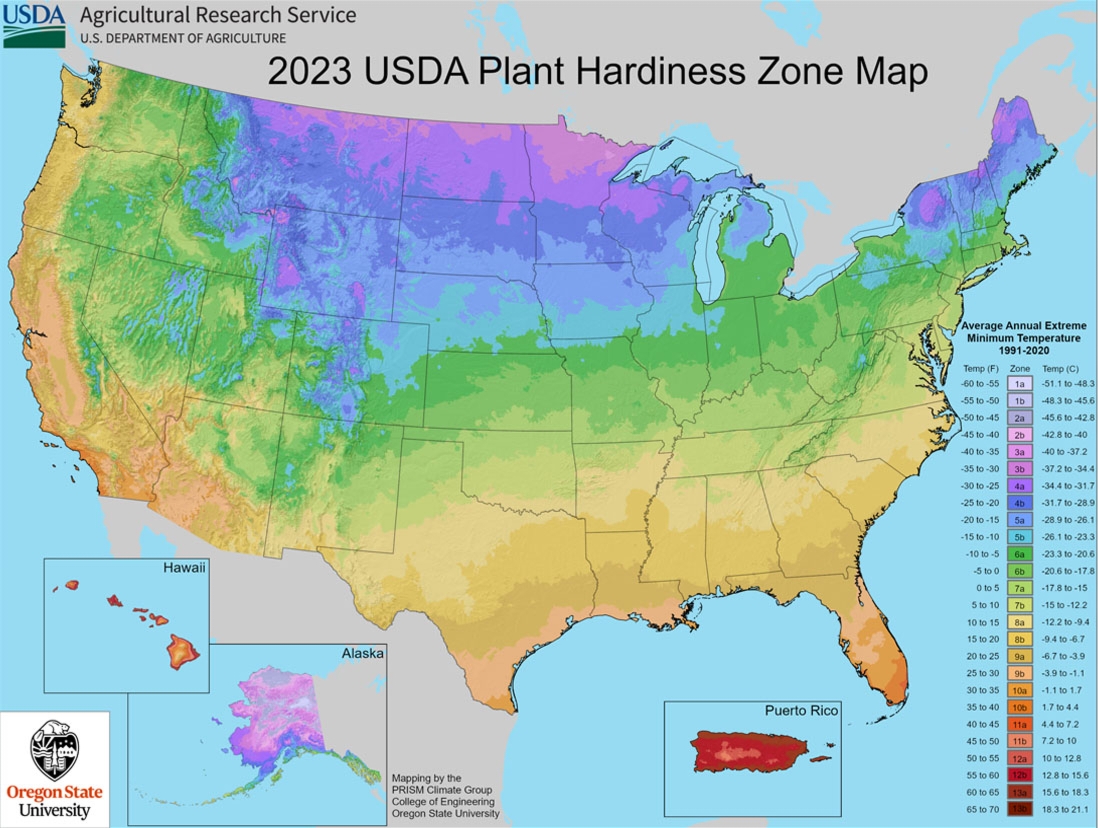 Source: USDA Plant Hardiness Zone Map, 2023. Agricultural Research Service, U.S. Department of Agriculture. Accessed from https://planthardiness.ars.usda.gov/
Use the official USDA Plant Hardiness Zone Map showing zones 1-13 to pinpoint your zone. This map is based on the average annual extreme minimum temperature for your area. Knowing your zone helps you choose plants that can survive your winter and thrive in your growing season.
USDA Hardiness Zones Quick Reference
Zones = 10°F bands of average annual minimum temperature.
Subzones:
- 'a' = colder half
- 'b' = warmer half
Example: Zone 6a = -10°F to -5°F; Zone 6b = -5°F to 0°F.
| Zone | Avg. Annual Min Temp (°F) |
|---|---|
| 1 | Below -50 |
| 2 | -50 to -40 |
| 3 | -40 to -30 |
| 4 | -30 to -20 |
| 5 | -20 to -10 |
| 6 | -10 to 0 |
| 7 | 0 to 10 |
| 8 | 10 to 20 |
| 9 | 20 to 30 |
| 10 | 30 to 40 |
| 11 | 40 to 50 |
| 12 | 50 to 60 |
| 13 | 60 and above |
Bulb Bloom & Overwintering Tip
Some bulbs—tulips, daffodils, and hyacinths—need a cold period to bloom again. In cold zones, they're true perennials. In warm zones? Pre-chill or expect disappointment.
Others—dahlias, gladiolus, caladiums—hate freezing temps. In cold zones, treat them as annuals unless you dig and store them.
Personal note: I've planted bulbs that were "perennial" somewhere else but annual in mine—sometimes by accident, sometimes just for fun. It's part of the art and the chaos.
Key takeaway: Check if a bulb needs chilling and whether it's hardy in your zone. If not, enjoy the fling or commit to overwintering.
Why Your Zone Matters (and What It Doesn't Tell You)
Zones matter for winter survival. If a tag says "Hardy to Zone 7," it should survive Zone 7 and warmer—but not reliably in Zone 5 without protection.
Zones don't tell you summer heat, humidity, rainfall, wind, or how long cold spells last. Pair zone logic with growing season timing and local know-how.
Zone Shopping Tip
This is why reading tags is critical. If the tag doesn't list a zone or a minimum temperature, LOOK IT UP—and do it by the specific variety name, not just the genus. Hardiness can vary dramatically within the same species group.
Your Growing Season: The Practical Clock
Your growing season = frost-free days between last spring frost and first fall frost. It sets your planting schedule. Short season? Choose early-maturing cultivars, start indoors, and use season extenders (row covers, tunnels, cloches).
Extra Tip: Frost-Date Planning
Mark your average last frost date and first frost date on your calendar. These dates are the backbone of your planting schedule. Local extension offices often publish frost charts—bookmark them.
Pro tip: Add a two-week buffer for safety. Weather doesn't read calendars.
Microclimates: Your Secret Weapon
South-facing walls = warmer. North slopes = colder. Group containers, use masonry for radiant heat, and break wind with hedges or fences. Microclimates let you bend the rules without breaking them.
Extra Tip: Microclimate Hacks
- Place dark mulch or stones around heat-loving plants to absorb and radiate warmth.
- Use windbreaks (hedges, fences) to protect tender plants from cold gusts.
- Cluster pots together for shared warmth and humidity.
- Bench-tested tip: In cool springs, pre-warm raised beds with dark mulch and low covers, then remove covers after hardening-off. Elevated beds warm faster but dry out faster—deep watering and mulch are your buffers.
Local Expertise: Your Best Friend
While the USDA map gives you the science, nothing beats boots-on-the-ground advice. Tap into:
- State Extension Offices
- Master Gardener Programs
- Garden Clubs & Native Plant Societies
- Local Media, Social Media Groups & Community Pages
These networks know your local growing quirks and will steer you toward natives, pollinator-friendly picks, and timing tricks that actually work where you live.
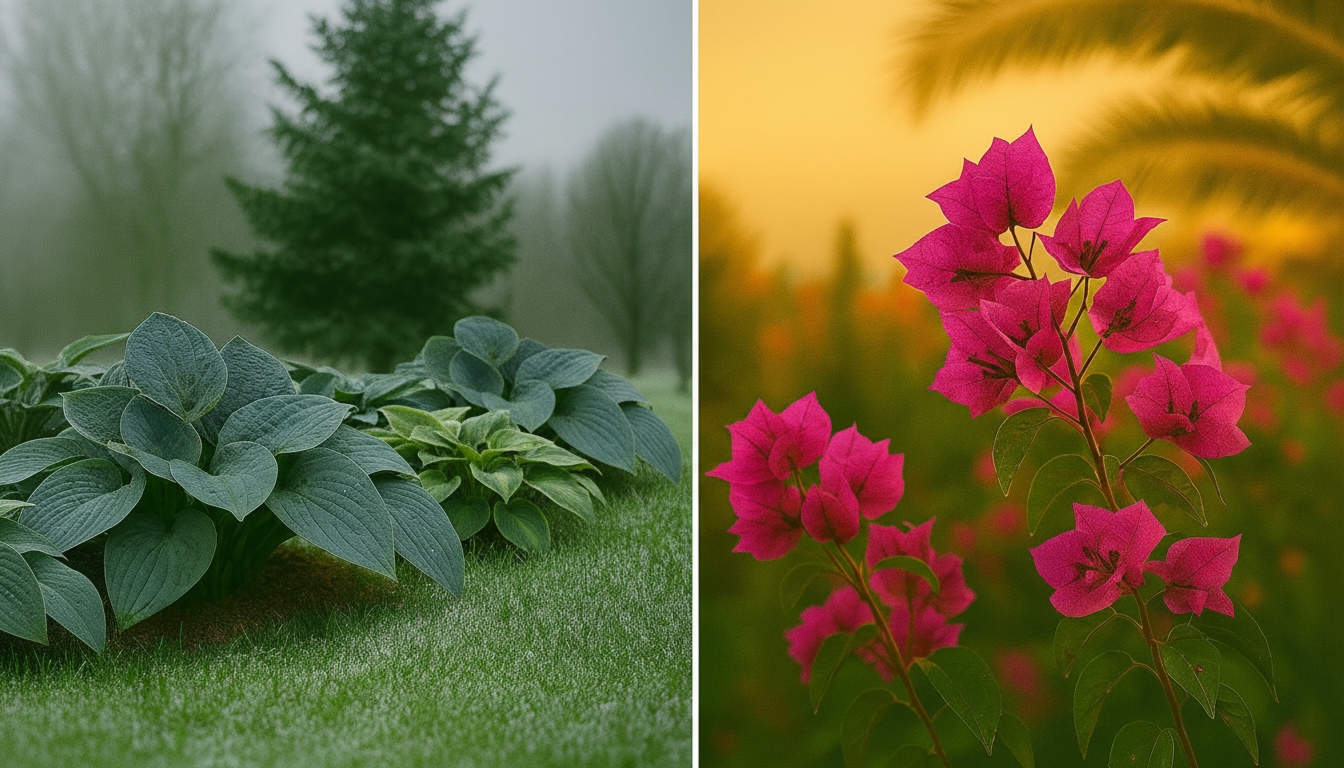 Cold-hardy hostas thrive in northern zones, while tropical bougainvillea needs the warmth of southern climates—a perfect example of how USDA zones guide plant selection.
Practical Examples
Figs in ground or containers: Hardy in Zones 7–9 (sometimes Zone 6 with heavy protection). In colder zones, grow figs in large containers or raised planters so you can move them to shelter before hard freezes.
Personal note: For the last two winters, I've brought in young fig trees that wouldn't survive outside. They've been living their best life in my sunniest south-facing bathroom—right next to a fluffy double hibiscus.
Fountain grasses:
- Hardy example: Pennisetum alopecuroides survives in Zones 5–9.
- Tender example: Purple Fountain Grass (Pennisetum setaceum 'Rubrum') is hardy only in Zones 9–11.
Rosemary: 'Arp' is hardy in Zones 6–10; most common rosemary types prefer Zones 8–10.
Lavender:
- 'Munstead' lavender is hardy to Zone 5.
- 'Provence' lavender prefers Zones 7–9.
Pro tip: Group containers together for shared warmth and humidity. Bonus: they look like a mini Mediterranean spa in your bathroom. Any others I want to save? They go in my kitchen under a typical LED ceiling fixture (Kelvin 5000 is the setting I found works well)—because sometimes you improvise.
Summary Table
| Plant Type | Zone Relevance | Notes |
|---|---|---|
| Annual | Focus on growing season | Replant yearly; use extenders |
| Biennial | Must overwinter | Flowers year two |
| Perennial | Zone-critical | Verify cultivar |
Final Thoughts
Your zone and growing season are the science; your taste, creativity, and curiosity are the art. Yes, I've planted "perennials" that weren't perennial in my zone—sometimes knowingly, sometimes not. Sometimes you want the look for one season; sometimes you'll dig, pot, insulate, and wheel it into a sheltered corner like a plant paramedic. The key? Know what to expect. Understand your zone, read tags critically, verify variety-specific hardiness, and use microclimates to cheat—just a little.
5 Fruitful Takeaways
- Know your USDA zone and frost dates: These are the foundation for plant selection and timing.
- Read tags and verify variety-specific hardiness: Not all cultivars within a genus are created equal.
- Use microclimates and season extenders: Bend the rules to grow what you love.
- Tap into local expertise: Extension offices and gardening groups know your quirks.
- Plan for the art and the chaos: Some plants are experiments—and that's okay.
You Might Also Like:
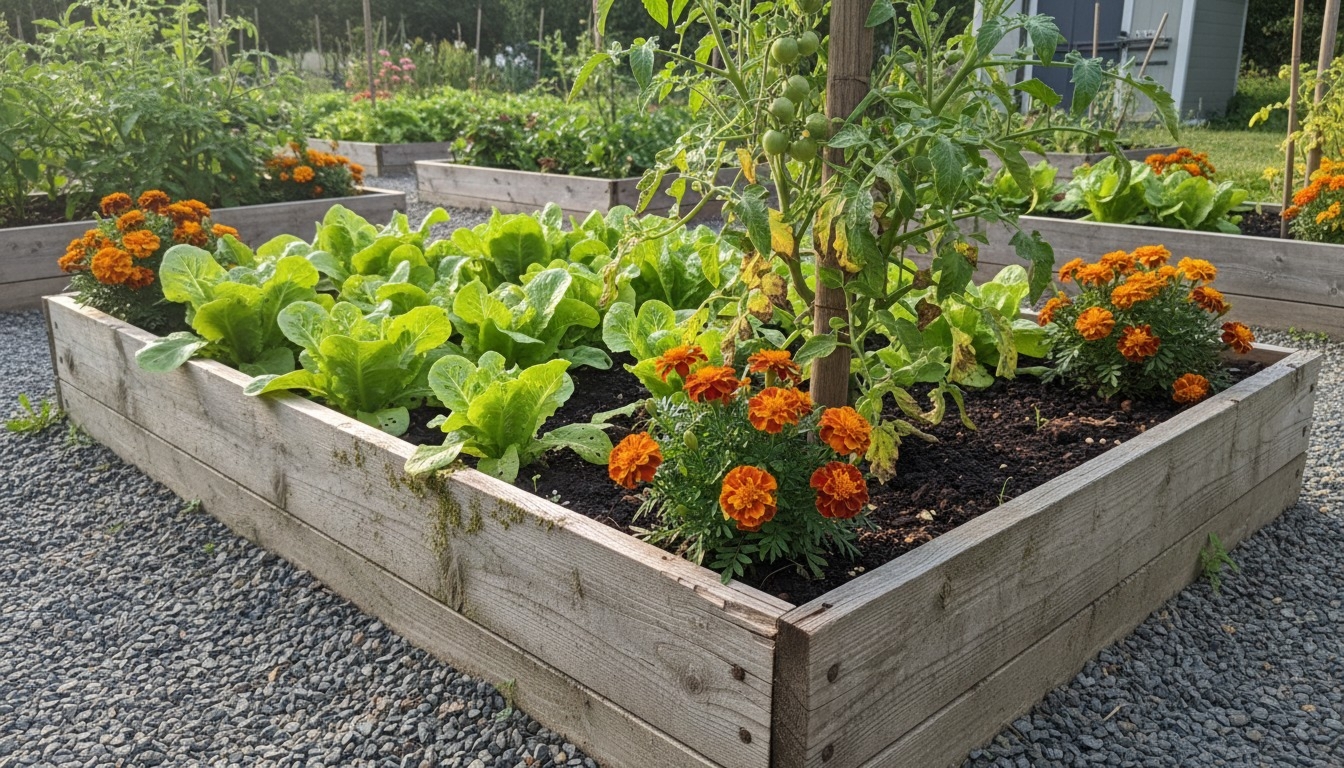
How to Grow in Raised Planters: Zone-Smart Gardening
Set up thriving raised beds—soil prep, plant selection by USDA zone, watering, and seasonal care for dependable yields.
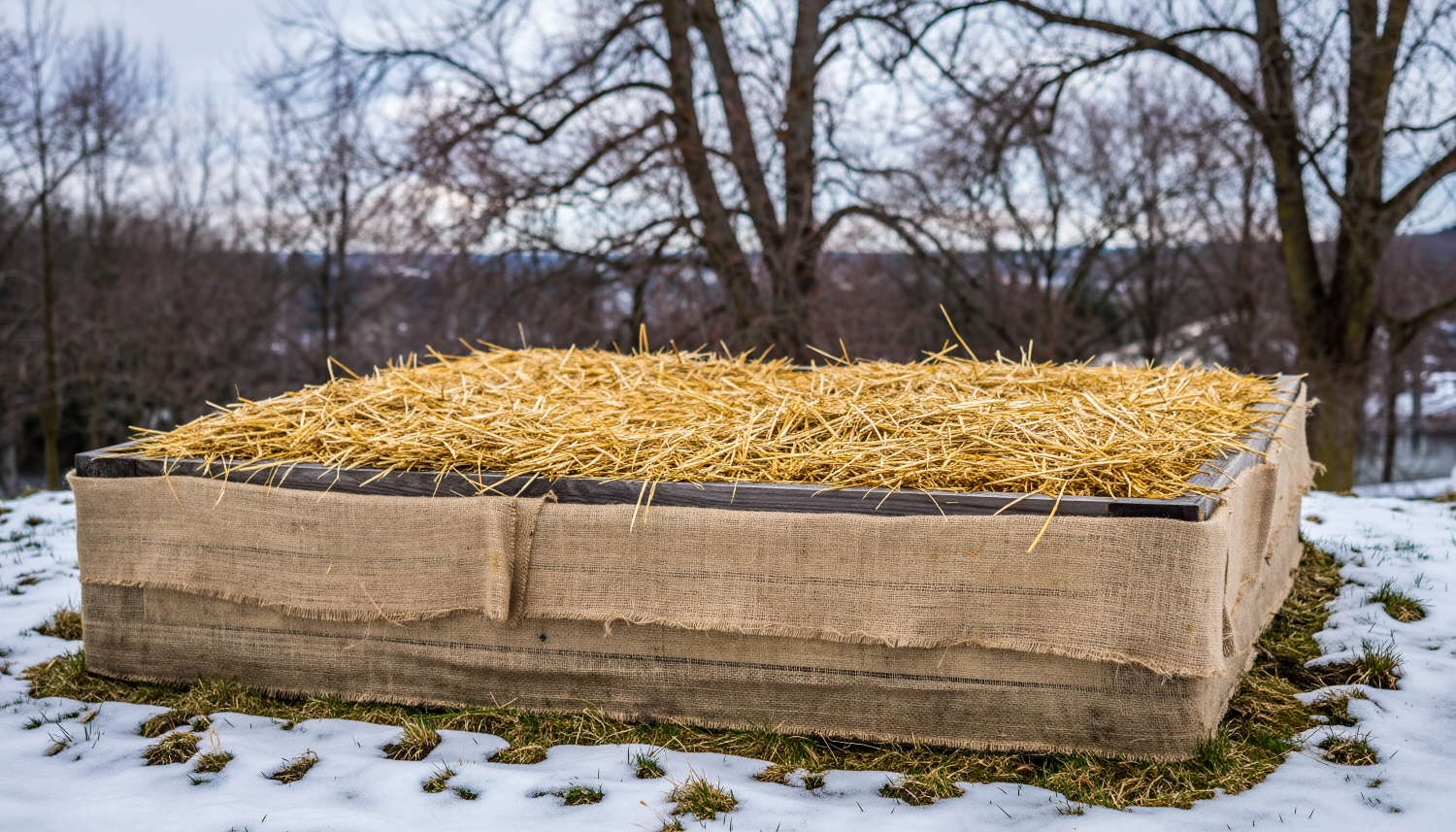
How to Protect Raised Planters in Winter: Cold-Weather Tips
Keep your raised garden beds safe through winter. Learn cold-zone strategies (mulch, covers, microclimates) to shield plants in raised planters from freezing temperatures.
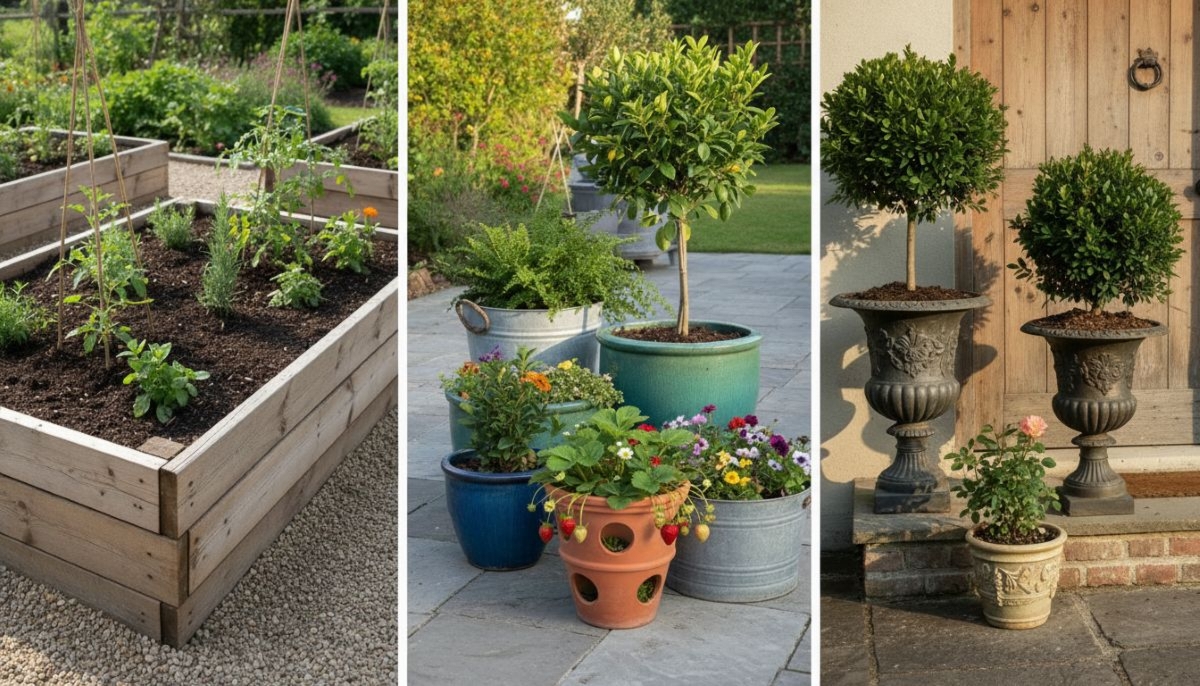
Raised Beds vs Containers vs Pots: Which Should You Grow In?
Compare raised beds, containers, and pots by zone, watering, soil volume, and cost. Pick your method and jump to full how-to guides.
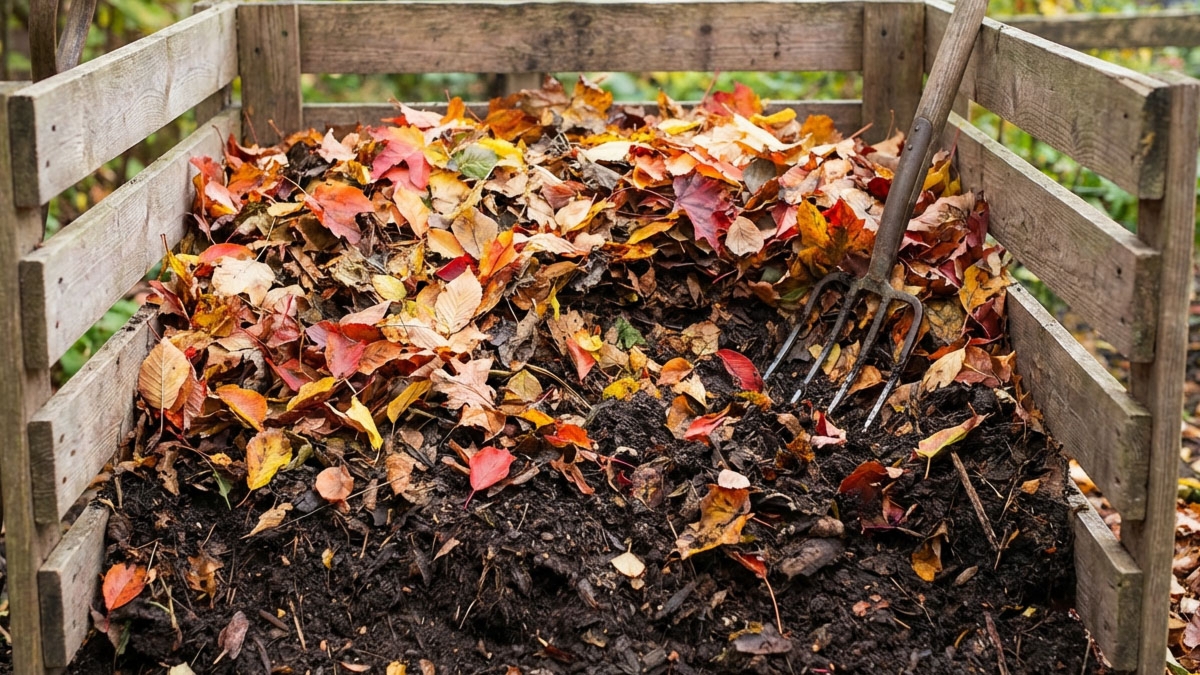
Autumn Leaves to Garden Gold: Composting Fall Leaves (and When to Mulch Instead)
Learn how to turn autumn leaves into rich compost, when to use leaves as mulch, and practical tips for healthy, sustainable gardens.
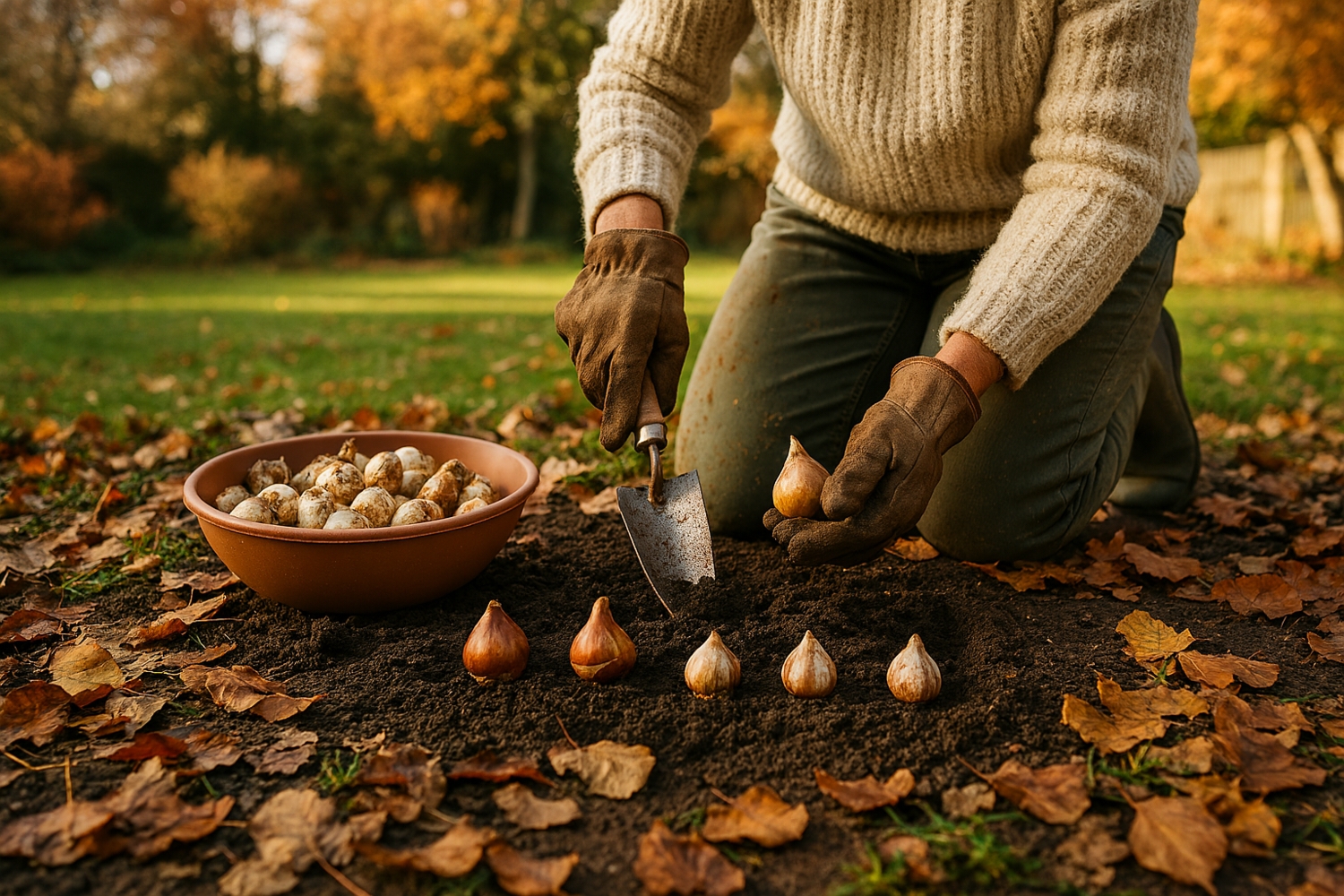
Fall Bulb Planting For Beautiful Spring Blooms
A complete guide to planting spring-flowering bulbs in fall for vibrant spring gardens, including tips for all climates, soil preparation, and design ideas.
Juglone in Home Gardening: What You Need to Know
Learn how juglone from walnut trees affects garden plants, which species are sensitive or tolerant, and how to garden successfully around juglone-producing trees.
Why Keep Your Fall Leaves? Discover the Hidden Benefits
Learn why leaving fall leaves in your garden supports soil health, wildlife, and fireflies, and how to use leaves for mulch and leaf mold.