How to Grow in Raised Planters: Zone-Smart Gardening
By Kristin Ruffin
This complete guide to raised garden beds covers everything from how to build raised planters to zone-smart gardening strategies, with gardening tips for beginners and experienced growers alike. Learn the best soil mix for raised beds, companion planting ideas, and seasonal care for raised beds to maximize your harvest.
Why Raised Planters? (More Than Just Pretty)
Raised garden beds aren't just visually pleasing—they make your garden look polished and inviting, adding an aesthetic boost to any yard. Beyond the beauty factor, they're practical: easier weed control, better soil management, and a lifesaver if mobility issues have you negotiating with your knees and back.
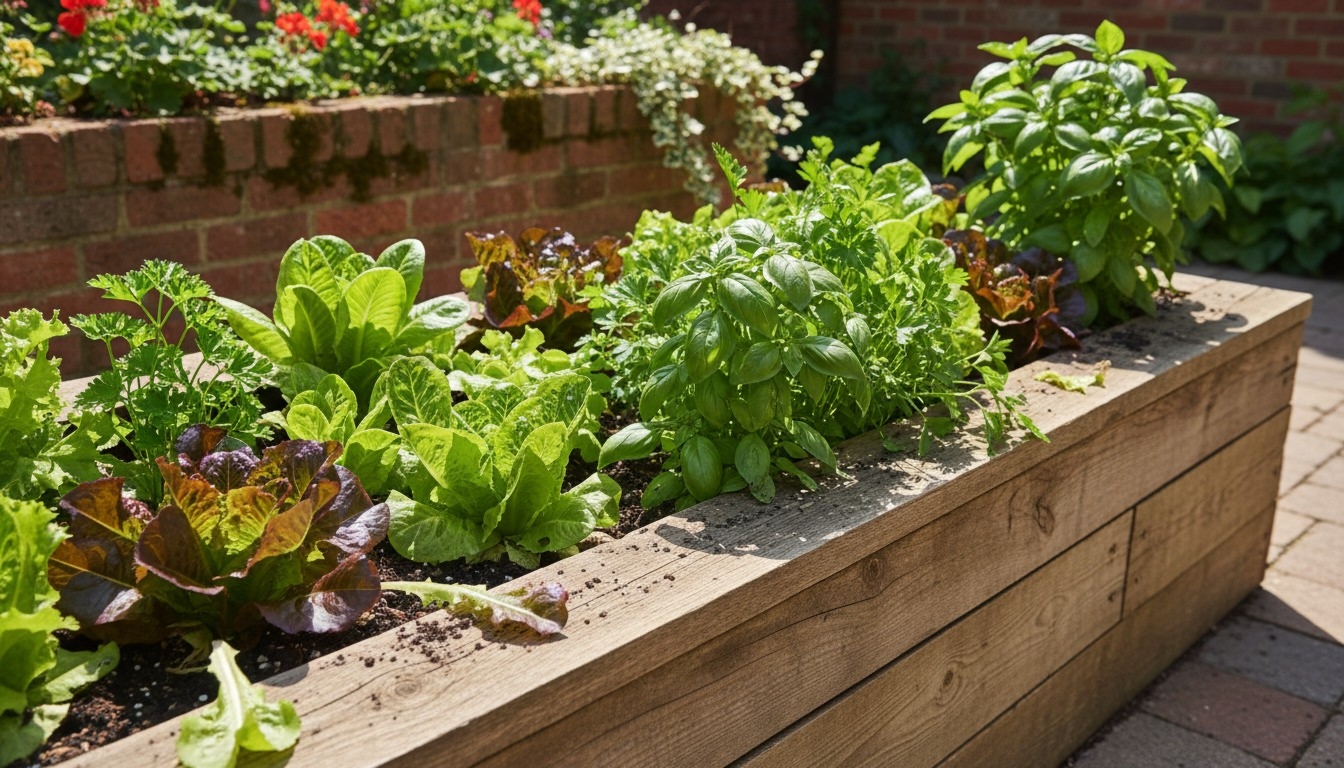
You can customize them to fit any design style—modern, rustic, cottage chic—the possibilities are limitless. My grandma had a raised brick planter bed where she grew leafy green lettuce and onions—proof that these beds have been making gardens beautiful and functional for generations.
The only real non-negotiable? Sunlight. Most plants demand their time in the spotlight (sunlight, that is)—aim for 6–8 hours daily.
A good way to check if your garden spot gets enough sun? Take photos throughout the day to track shadows and light changes. Building structures, trees, and even which side of the yard you're on can make a big difference. This is also the perfect time to figure out your bearings—North, South, East, or West—because orientation matters for sunlight exposure.
Quick Sunlight Check
Snap photos at different times of day to see how shadows fall. This helps you choose the sunniest spot for your raised bed.
- High-yield food gardens (because bragging rights taste better with homegrown tomatoes)
- Basic drip or soaker irrigation systems—these deliver water right to the soil, saving time and reducing evaporation
- Gardeners who plan to stick around long enough to enjoy the investment
Quick Clarifier: Containers vs. Pots
All pots are containers, but not all containers are pots. Pots = single plant, small footprint. Containers = big, multi-plant planters (think patio boxes, troughs, self-watering units).
If you're torn between raised beds and portable options, remember: more soil volume = more stable moisture and temperature. Your tomatoes will thank you.
Remember
More soil volume = more stable moisture and temperature. A 12-inch deep bed performs dramatically better than an 8-inch bed in temperature extremes.
Site & Size: Essential Gardening Tips for Beginners
- Sun: Aim for 6–8 hours daily—most plants thrive in full sunlight.
- Access: Hose or spigot nearby—because hauling buckets is a workout no one asked for.
- Dimensions: Keep widths under 4 ft so you can reach from both sides without crawling into the soil like a garden gymnast.
- Depth: 8–12" minimum; deeper for carrots, parsnips, or woody perennials.
How to Build Raised Planters: Materials & Construction
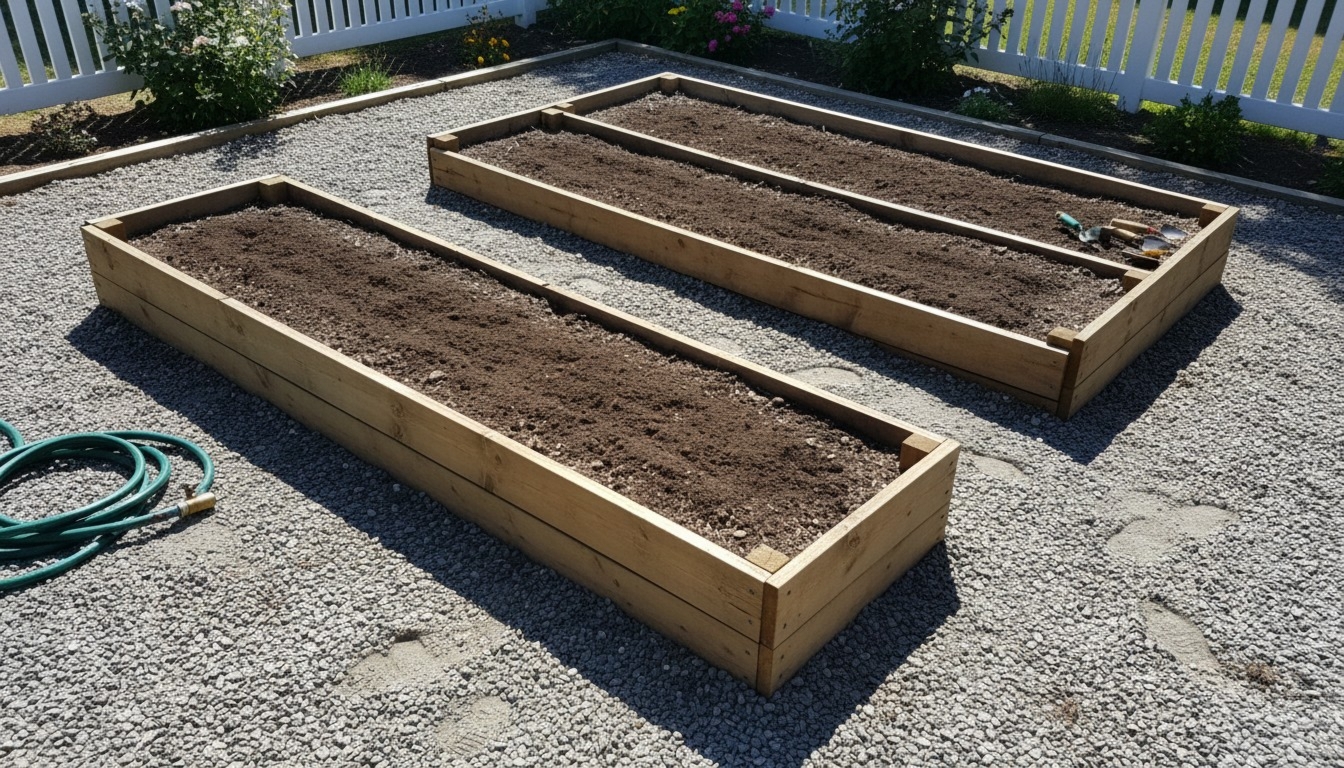
- Materials: Untreated rot-resistant lumber, composite, metal, or stone. Drainage gaps are non-negotiable.
- Base: Will your raised bed rest directly on soil or on a hard surface like concrete? If it's on soil, loosen the ground beneath for root access. On hard surfaces, add 1–2 inches of gravel for drainage.
- Edges: Cap boards for comfy seating; add corner braces for stability.
- Design Flexibility: Raised beds can be dressed up with trim, paint, or decorative caps to match your yard's vibe. Want symmetry? Go geometric. Prefer cottage charm? Add trailing flowers at the edges.
Design Tip
Make it Yours: Raised beds can be customized with paint, trim, or decorative caps to match your yard's style.
Best Soil Mix for Raised Beds
Creating the best soil mix for raised beds is crucial for success. Here's what you need:
- Core Blend: Compost + quality topsoil + drainage (perlite or coarse sand).
- Why these matter: Compost adds nutrients and improves structure, topsoil provides bulk and stability, and drainage amendments prevent waterlogging so roots stay healthy.
- Ratios (by volume): ~40% compost, 50% topsoil, 10% drainage amendment.
- Refresh: Add 1–2" compost annually; tweak texture as needed.
Author's Note
I prefer using organic growing medium if possible. If you're lucky, you can find a local supplier to fill up a truckload or have it delivered. Otherwise, I add organic matter to the top 10 inches. You don't always know where your soil is coming from—and since you're eating these homegrown goodies, I prefer it to be as healthy as possible.
Cool-Season Crops vs Warm-Season Crops: Choosing Plants by Zone
Understanding cool-season crops vs warm-season crops is essential for zone-smart gardening success. Annual vegetables only need to survive one season, so timing matters—plant after your zone's last frost date or be ready to cover them during surprise cold snaps. Perennials like berries, fruit trees, and ornamental grasses need to withstand year-round conditions, so choose varieties hardy to your zone or one colder.
Where I live, winters can dip to -10°F and summers soar to 110°F. That's a huge swing, so zone-smart choices matter. If you garden in a climate with cold winters and hot summers, plan for frost protection in spring and heat protection in summer.
Cool Zones (cold winters, short summers)
These cool-season crops grow best during these seasons:
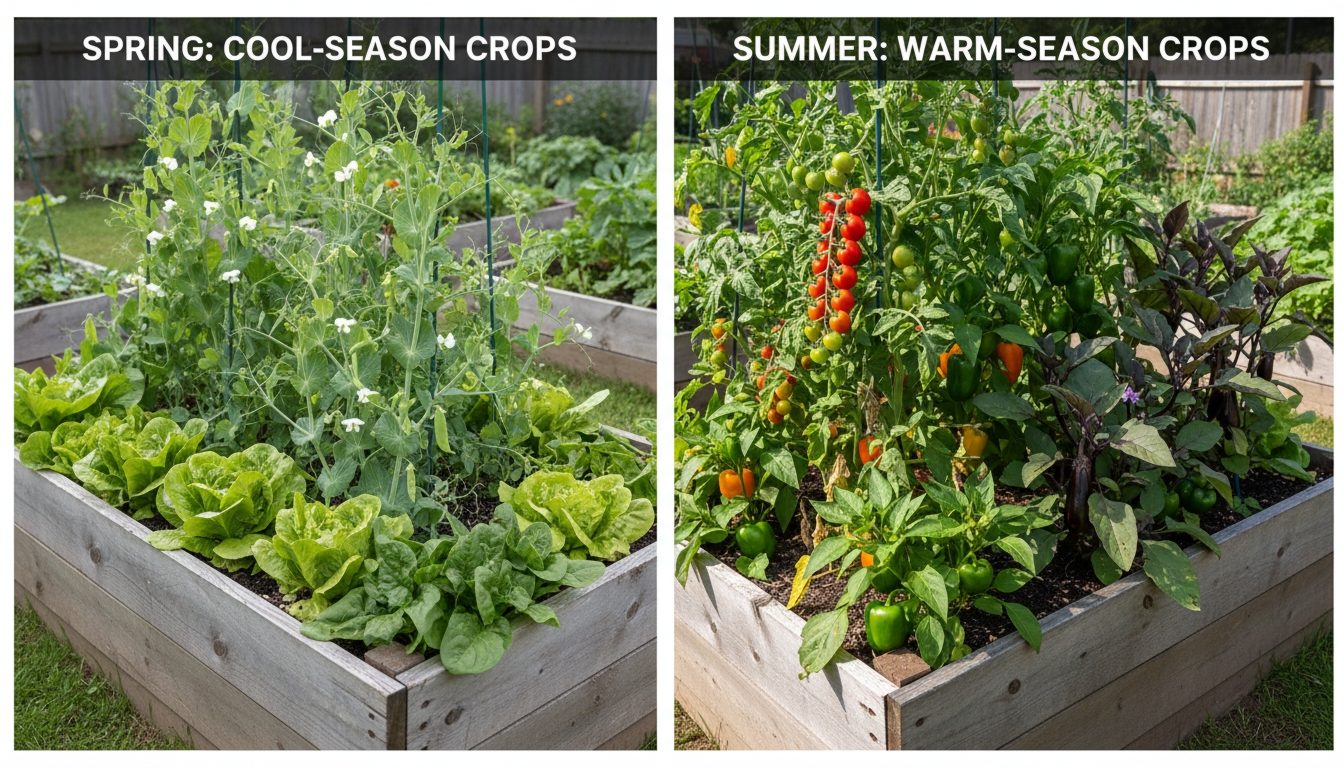
- Spring and late summer: Lettuce, peas, spinach, radishes, kale
- Summer: Compact tomatoes, peppers, bush beans (warm-season crops)
Tip: Start cool-season crops early in spring and again in late summer for a fall harvest. Warm-season crops like tomatoes need frost-free conditions.
Warm Zones (mild winters, very hot summers)
These crops thrive during these seasons:
- Winter: Cool-season crops like lettuce, spinach, and peas
- Summer: Heat-tolerant warm-season crops such as okra, eggplant, sweet potatoes, zinnias
Tip: In warm zones, you can garden almost year-round—just match crops to the season. Cool-season veggies thrive in winter, while summer heat calls for tough, heat-loving plants.
Mixed Extremes (cold winters AND hot summers)
What grows best and when:
- Spring: Cool-season crops (lettuce, peas, spinach) as soon as soil is workable
- Summer: Heat-tolerant warm-season crops (okra, peppers, eggplant) and provide shade or mulch to protect roots
- Fall: Another round of cool-season crops before frost
- Winter: Focus on soil prep or cold frames for hardy greens
Quick Rule: Plant cool-season crops when temps are mild (spring/fall), and warm-season crops after frost when nights stay above 50°F.
Zone Tip
Know Your Zone: Tags with zone ranges (e.g., "Zones 5–9") are your friend. Compare your typical winter low to the tag's minimum temperature for survival.
Gardening Tips for Beginners
New to raised beds? Start with easy cool-season crops like lettuce, radishes, and herbs in spring. These forgive beginner mistakes and grow quickly, giving you confidence to expand your garden with warm-season crops in summer.
Companion Planting Ideas for Raised Beds
Follow spacing guidelines (yes, they matter). Although I'll admit—I'm a rule breaker. I tend to plant closer than recommended. The drawback? You'll need to water more often and ensure good air circulation, plus add supports or stakes if needed.
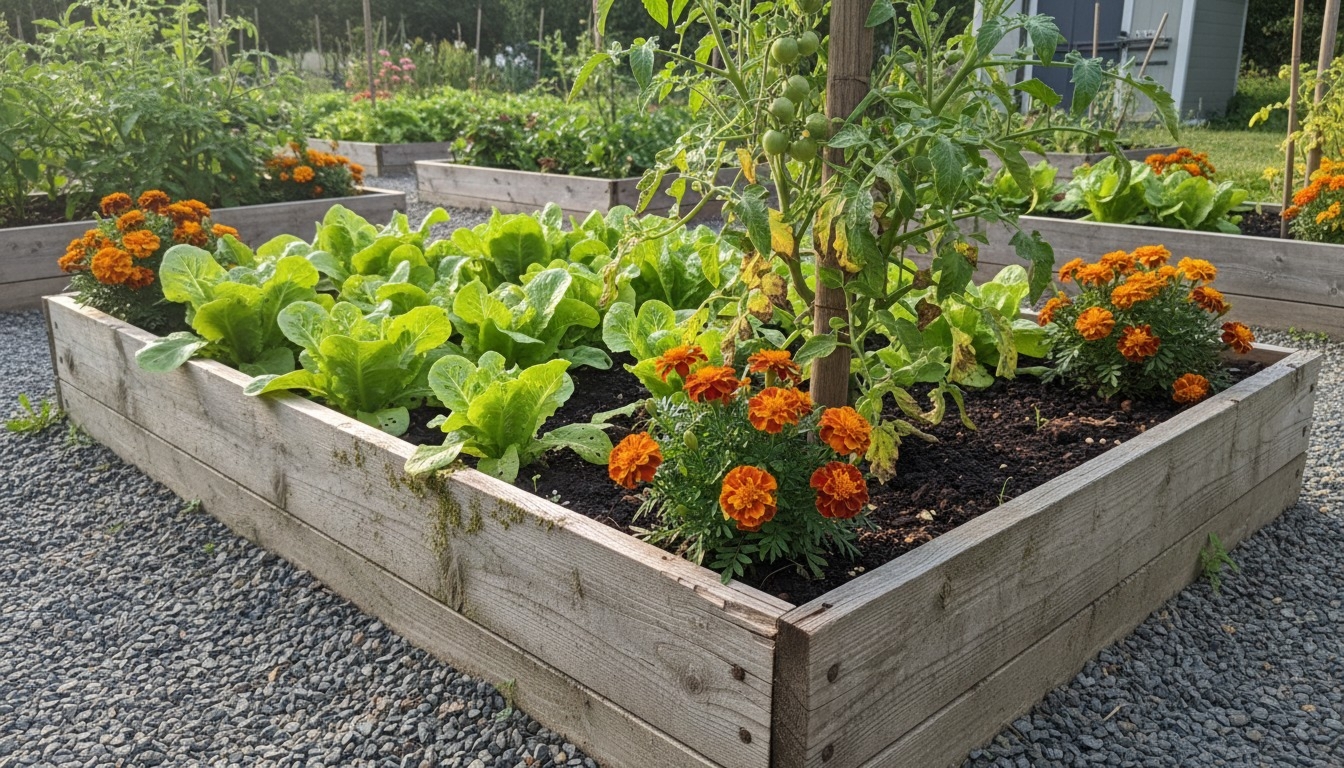
Companion planting ideas: Cluster companion flowers and herbs—marigolds, basil—at edges for pollinators and pest control. This is one of the most effective natural gardening strategies.
Water thoroughly after planting and mark rows with waterproof tags—you'll forget what you planted by harvest, and you'll want to remember your favorites for next season.
Seasonal Care for Raised Beds
Proper seasonal care for raised beds ensures year-round productivity:
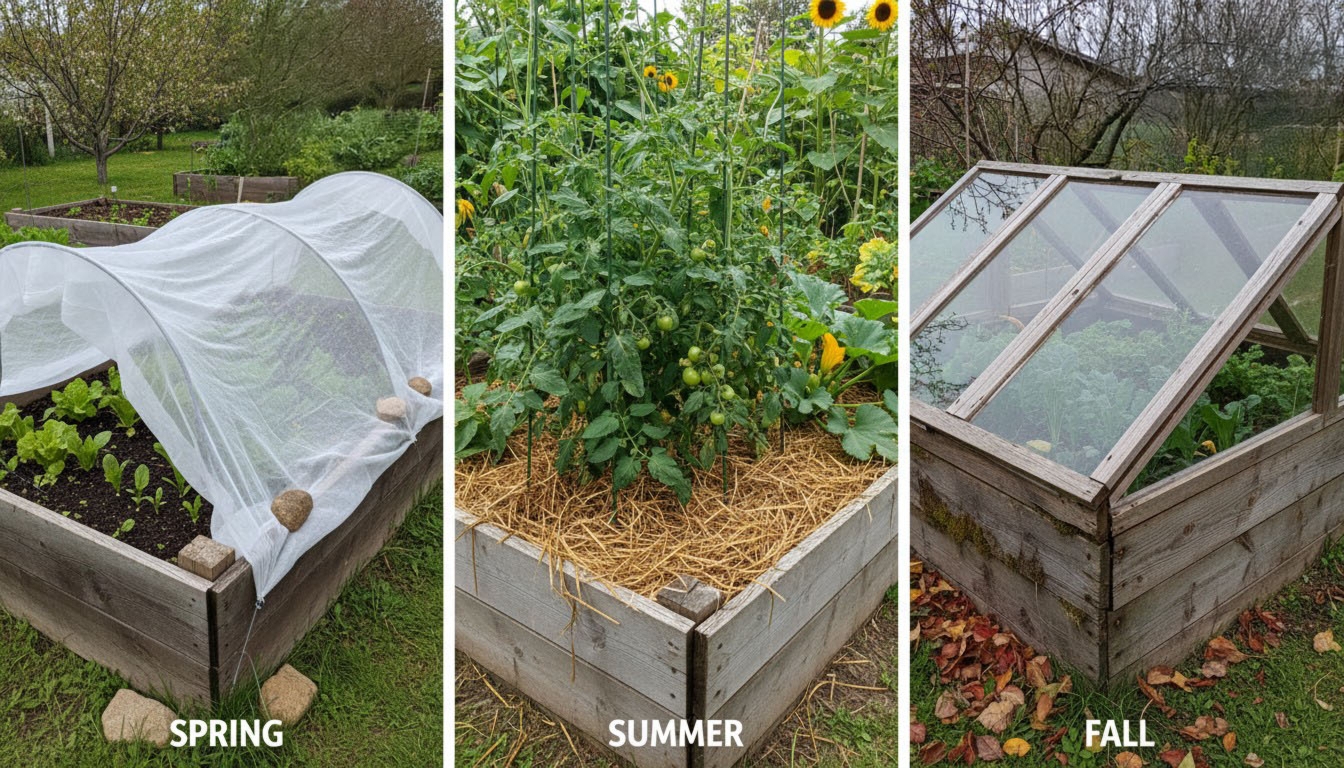
- Spring (cool zones): Raised beds warm up sooner than in-ground soil, so you can sow earlier—but keep row covers handy for late frosts.
- Summer: Mulch heavily; give tender plants afternoon shade.
- Fall: Beds cool fast—harvest tender crops before hard freezes; use covers or cold frames to extend the season.
- Winter: Mild zones? Greens can thrive. Drainage is key during heavy rains.
Zone Tip
Raised beds warm faster but dry faster—deep watering is essential, but adjust frequency for your climate. In hot or sandy soils, you may need daily watering during peak heat.
Watering & Feeding
- Watering: Soak the full root zone; skip shallow daily sips. In super-hot climates, you might need a good daily soak. If your plants are wilting under the sun, that's your clue—they need more water.
- Mulch: Straw, shredded leaves, or bark to lock in moisture and cool soil.
- Fertilizing: Slow-release organic at planting; light liquid feed mid-season for heavy feeders.
Maintenance & Pests
Scout pests at waist height (perk of raised garden beds!) for quick hand-picking and targeted organic controls.
But not all bugs are bad!
Weed lightly and often—windblown seeds love raised beds.
Summary
Raised garden beds = convenience + beauty + accessibility + productivity. With zone-smart gardening choices, the best soil mix for raised beds, proper understanding of cool-season crops vs warm-season crops, deep watering, and seasonal care for raised beds, you'll enjoy a healthy, happy harvest that makes your neighbors jealous—and more than likely, you'll be sharing extras along with a garden that looks like it belongs in a magazine.
5 Fruitful Takeaways
- Soil control = success: Build with the best soil mix for raised beds using compost-rich mix and refresh annually.
- Zone matters: Choose plants one zone hardier if you're borderline for zone-smart gardening.
- Deep watering: Essential for root health, but adjust frequency for your climate.
- Seasonal awareness: Beds warm early but cool fast—use covers and timing for proper seasonal care for raised beds.
- Companion planting: Try these companion planting ideas: Marigolds and herbs at edges = pollinators + pest control
You Might Also Like:
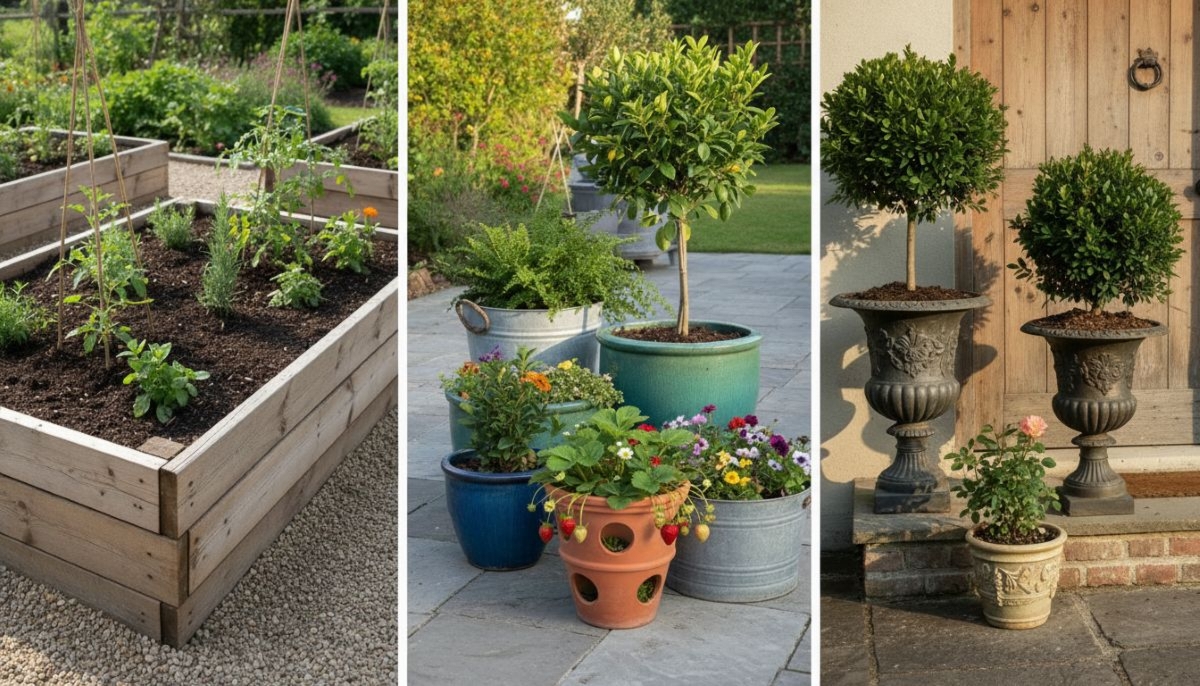
Raised Beds vs Containers vs Pots: Which Should You Grow In?
Compare raised beds, containers, and pots by zone, watering, soil volume, and cost. Pick your method and jump to full how-to guides.
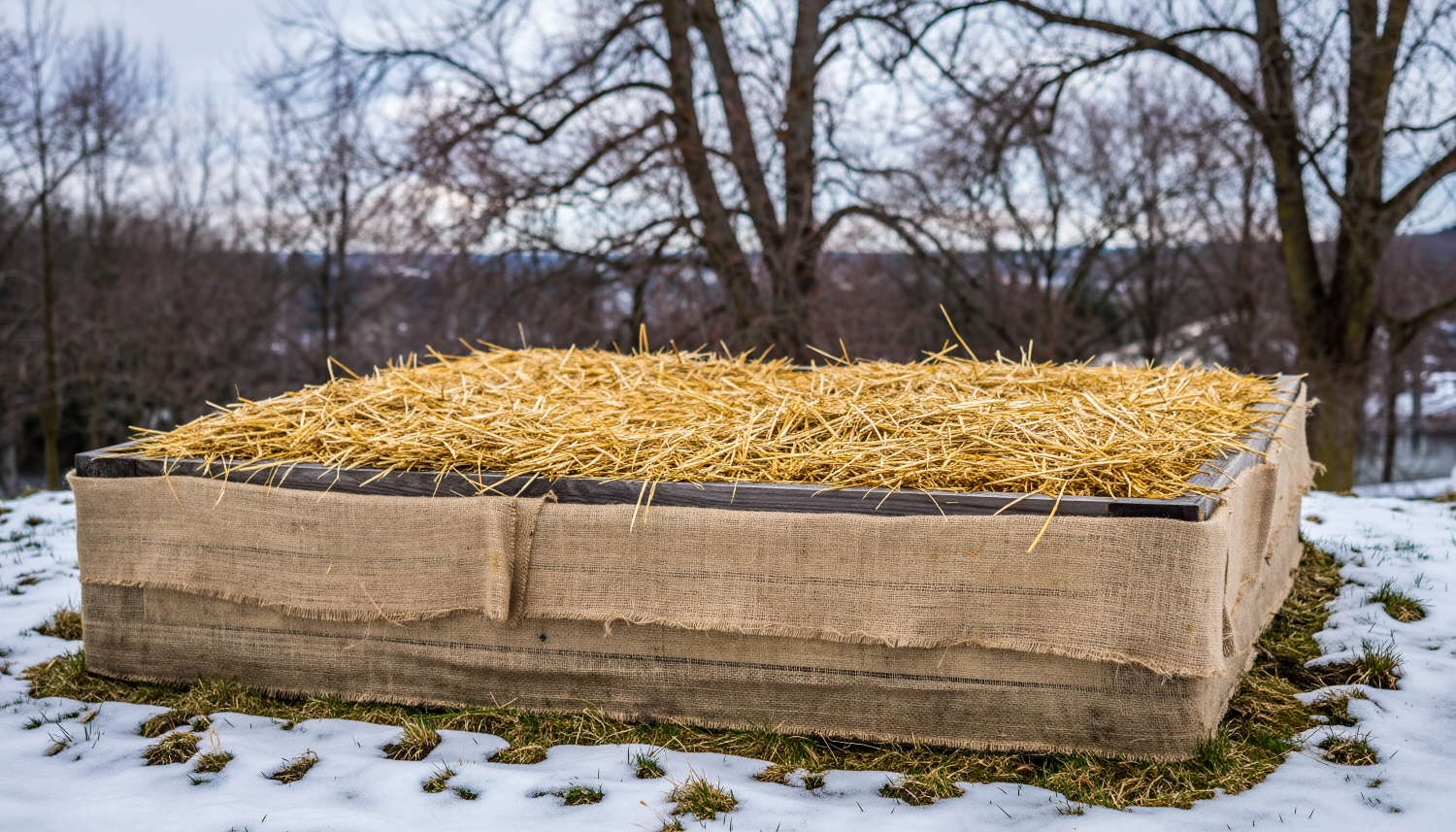
How to Protect Raised Planters in Winter: Cold-Weather Tips
Keep your raised garden beds safe through winter. Learn cold-zone strategies (mulch, covers, microclimates) to shield plants in raised planters from freezing temperatures.
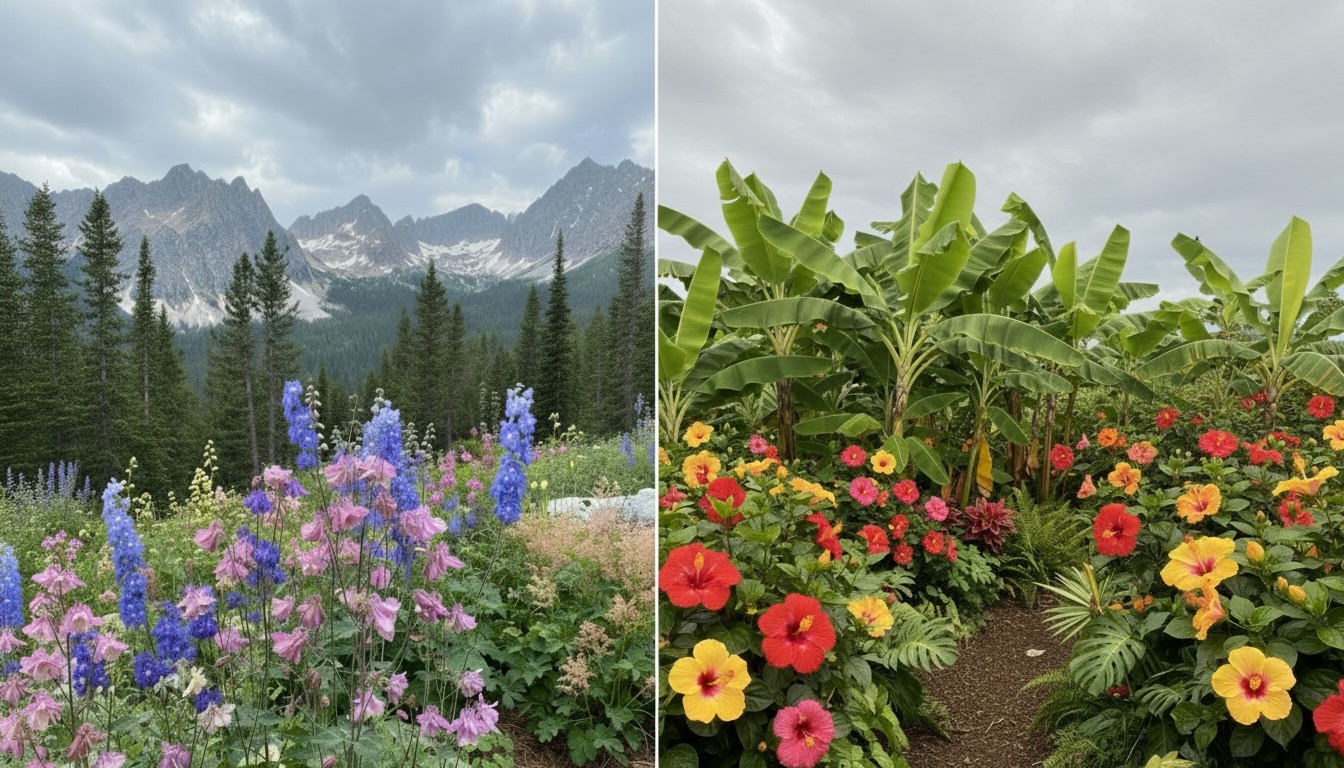
Understanding USDA Hardiness Zones & Growing Seasons: A Practical, No Nonsense Guide
Understand USDA zones and growing seasons. Learn annual vs perennial basics, microclimates, and smart shopping for variety-specific hardiness.
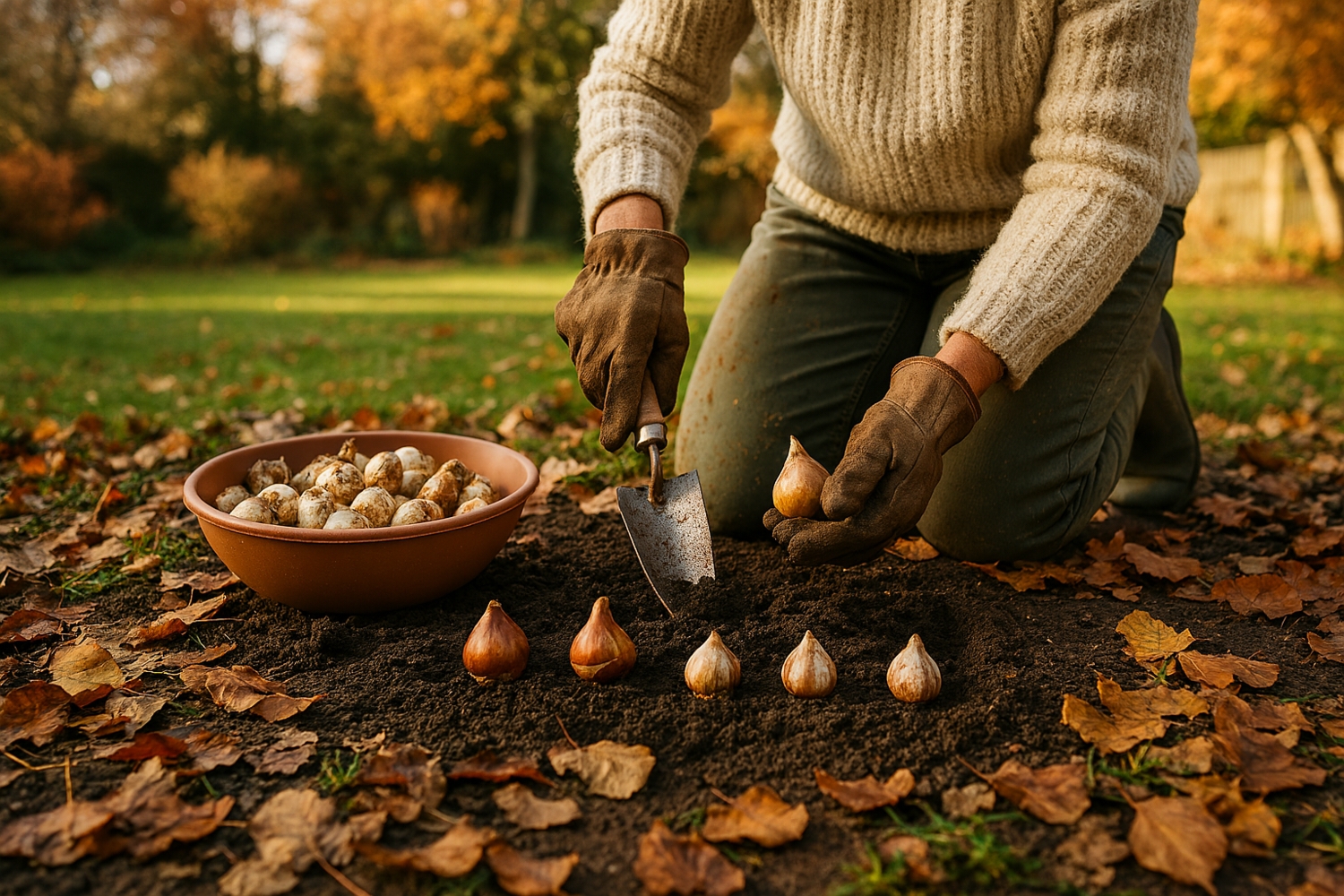
Fall Bulb Planting For Beautiful Spring Blooms
A complete guide to planting spring-flowering bulbs in fall for vibrant spring gardens, including tips for all climates, soil preparation, and design ideas.